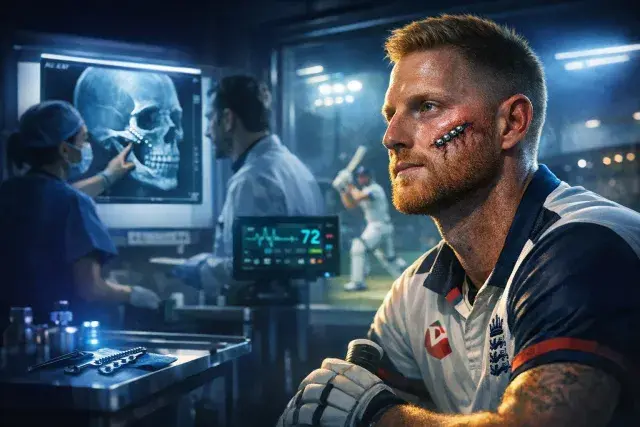
Ben Stokes, England's cricket captain, has been sidelined for months due to a serious cheekbone fracture sustained during a coaching session. The injury, which occurred in February 2026 when a ball struck his face, required multiple surgeries and even prompted him to express relief at surviving. His confirmed return in May aligns perfectly with preparations for critical international commitments in the World Test Championship cycle.
Injury Details and Immediate Aftermath
The incident took place at a player academy, where Stokes was mentoring when a hard delivery hit his face, causing extensive damage to his cheekbone. Such facial injuries demand precise medical intervention to restore structure and function, often involving plates and screws to realign shattered bone. Stokes underwent several procedures to address the trauma, highlighting the vulnerability of the face to high-impact forces even in controlled training environments.
Recovery Process and Health Considerations
Recovery from a fractured cheekbone typically spans weeks to months, depending on the fracture's severity and the patient's overall health. Swelling, pain, and risks of infection or nerve damage complicate healing, requiring rest from physical exertion to prevent further displacement. Stokes's absence from domestic competitions underscores the cautious approach needed, allowing time for bone consolidation and tissue repair before resuming high-intensity activities.
Implications for Leadership and Preparation
Stokes's timely return positions him to rebuild match readiness through domestic play before England's key fixtures. His presence as captain carries weight in high-stakes series, where strategic decisions and on-field presence influence outcomes. This setback illustrates broader challenges leaders face in balancing demanding roles with personal recovery, emphasizing the need for adaptive planning in team preparations.
Broader Lessons on Injury Prevention
Facial injuries from projectiles remind those in coaching roles of persistent risks, even with safety protocols. Protective gear and modified training methods can mitigate such hazards, yet accidents persist. Stokes's account of feeling fortunate to be alive underscores the potential gravity, prompting reflection on enhanced safeguards across training academies to protect participants.